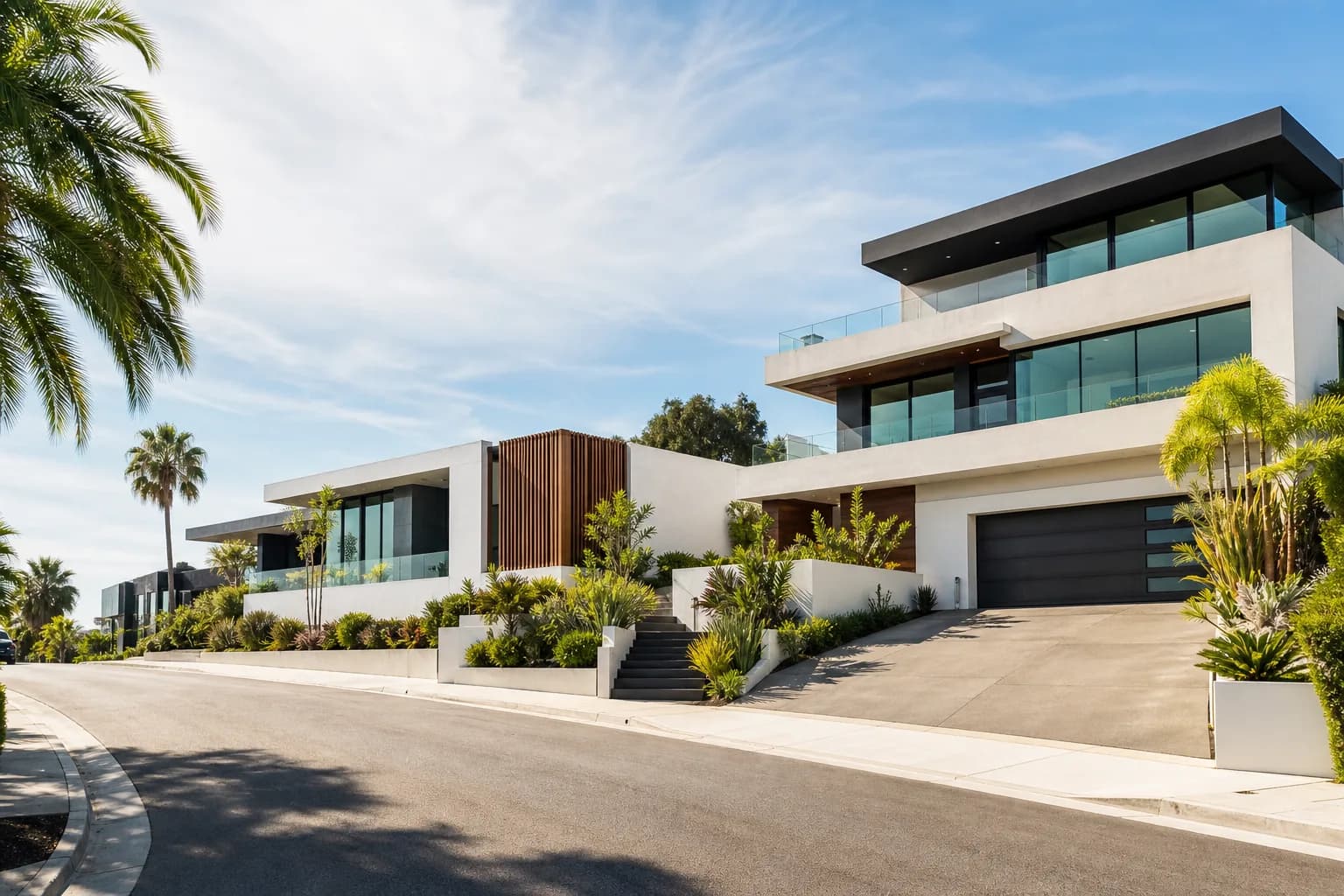
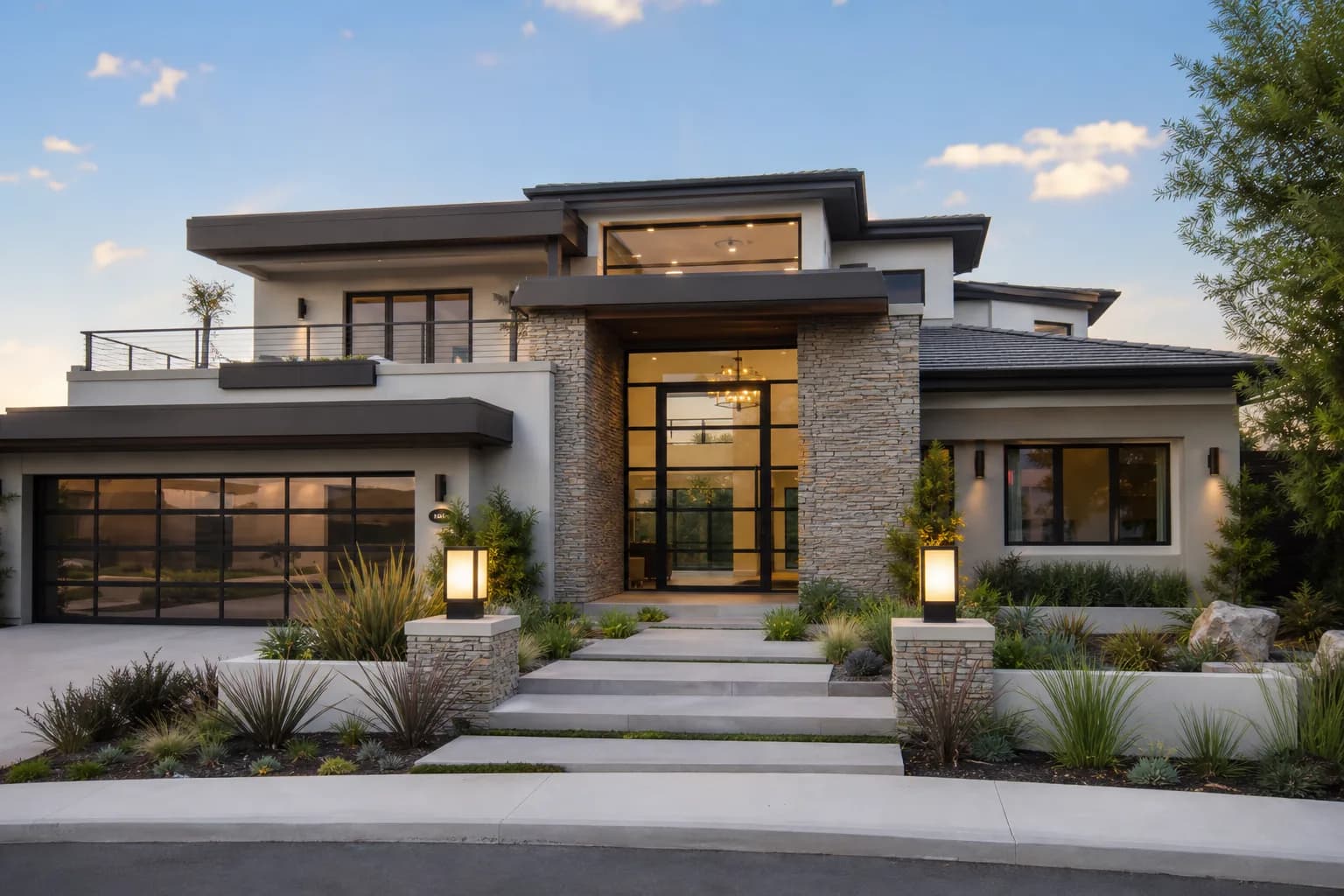
New construction in Los Angeles covers more ground than most buyers realize. The market includes everything from fully custom homes on private lots to production-built developments, urban condos, and move-in ready properties. Each option comes with different pricing, timelines, customization levels, and trade-offs, and the right fit depends on your budget, your timeline, and how much control you want over the design and build process.
Request a quote for a new construction home from UBIC or explore UBIC’s ground-up construction services to learn how a builder-led approach works.
The new construction market in Los Angeles includes several distinct build types, each designed for a different buyer profile. Understanding the differences helps you narrow your search and set realistic expectations for cost, timeline, and the level of input you’ll have throughout the process. The table below outlines the most common options and what each one offers.
Types of New Construction Homes Available in Los Angeles
Custom homes give the buyer full control over the design, materials, layout, and finish level, but they require the longest timeline and the highest budget. The process starts with architectural design and typically involves months of planning before construction begins, followed by a build timeline that can run 12 to 18 months or longer, depending on scope.
Semi-custom homes offer a middle ground where the buyer selects from a range of floor plans and finishes within a builder’s framework, which reduces the timeline while still allowing meaningful personalization. This option works well for buyers who want input on the look and feel of their home without managing a fully custom design process.
Production homes are built by developers in planned communities using standardized designs, so the price is typically lower, and the timeline is shorter, but customization is limited to finish selections within pre-set options. The trade-off for the lower price and faster delivery is that the home will share its basic layout and exterior design with other units in the community.
New construction condos are the most common option for urban buyers in areas like Downtown LA, where lot constraints and density make single-family construction impractical. These are developer-driven projects where the buyer is purchasing a unit within a larger building, so the customization is limited primarily to interior finishes. Move-in-ready homes are completed new builds that are available for immediate purchase, which appeals to buyers who want a new home without the wait. Each of these options serves a different set of priorities, and your builder or real estate advisor can help you evaluate which one aligns best with your goals.
Location determines almost everything about a new construction project, including lot cost, permit timeline, what you can build, and how the home performs as a long-term investment. Los Angeles is large enough that the new construction landscape varies dramatically from one area to another, so understanding the general character of each market helps you focus your search.
Best Locations for New Construction Homes in Los Angeles
The suburban parts of Los Angeles County, including the San Fernando Valley, the San Gabriel Valley, and parts of South LA, tend to offer the most accessible new construction opportunities. Lots are generally larger, land prices are lower than in the Westside or coastal areas, and zoning is more accommodating for single-family construction. These areas attract families and buyers who want more space and are willing to trade proximity to the urban core for affordability and lot size.
Downtown LA’s new construction inventory is dominated by condos, townhomes, and mixed-use developments. The area has attracted significant investment over the past decade, and its proximity to transit, employment, and entertainment makes it appealing to professionals and urban-focused buyers.
Single-family new construction is rare in Downtown, so buyers looking for a detached home typically need to look elsewhere, but the condo and townhome market is one of the most active in the region. Pricing for new construction condos in Downtown generally starts around $600,000 and scales with square footage, floor level, and building amenities. Buyers should also factor in HOA fees, which can be substantial in high-rise buildings with full-service amenities.
Proximity to major employment hubs drives demand in several Los Angeles submarkets. Silicon Beach, which stretches from Playa Vista through Santa Monica, attracts tech workers who want modern homes near their offices. The Pasadena tech corridor serves a similar buyer profile in the San Gabriel Valley. Burbank’s media district supports demand from entertainment industry professionals who want new construction without a long commute. Building near a job center typically means higher land costs, but it also supports stronger resale values and rental demand.
The gap between luxury and budget new construction in Los Angeles is significant, and it affects everything from the lot you buy to the materials on the walls. Understanding where that gap comes from helps you set a realistic budget and avoid comparing homes that aren’t in the same category. The table below highlights the main differences between the two ends of the market.
Luxury vs. Budget New Construction Homes in Los Angeles
Luxury new construction homes in Los Angeles typically involve custom architectural design, premium materials, larger lots in established neighborhoods, and longer build timelines. These projects are highly personalized and often include features like imported stone, custom millwork, integrated smart home systems, and high-end mechanical equipment. The build process is more involved because every detail is selected and specified by the homeowner and architect.
Budget new construction is more accessible but involves trade-offs. Production homes and smaller custom builds in developing neighborhoods can come in under $1 million, particularly in areas like North Hollywood, Van Nuys, or parts of the Eastside.
The finish level is typically builder-grade or mid-range, and the square footage is smaller, but the home is still new, built to current codes, and free of the deferred maintenance issues that come with older properties. For buyers who prioritize a new home over a premium location, the budget end of the market offers real value.
The middle ground between luxury and budget is where most custom build buyers in LA actually land. A well-designed home with quality finishes in a solid neighborhood, built in the $1.2 million to $2 million range, gives you meaningful customization without the extended timelines and premium material costs that come with a full luxury build. Understanding where you fall on this spectrum early in the process helps your builder align the design and material selections with your budget from the start.
Gated communities appeal to buyers who want security, shared amenities, and a maintained environment without managing those elements themselves. In Los Angeles, gated new construction communities are most common in the San Fernando Valley, parts of the Westside, and in planned developments in outlying areas of LA County. These communities are typically developed by production builders and include HOA-managed amenities like pools, parks, and shared landscaping.
Gated New Construction Communities in Los Angeles
The main advantages of buying in a gated community are security, predictable maintenance costs through HOA dues, and a neighborhood design that’s planned for consistency. The outdoor spaces, common areas, and streetscape are maintained by the HOA, which means less individual upkeep for homeowners but also less control over how the community looks and operates.
The trade-offs include HOA fees that add to the monthly cost, design restrictions that limit exterior customization, and less control over the lot and floor plan than a custom build offers. Most gated communities also have CC&Rs (covenants, conditions, and restrictions) that dictate what modifications you can make to the property after purchase, which is worth reviewing carefully before buying.
For families and buyers who value a structured, low-maintenance environment, gated communities are worth considering as part of the broader new construction search. For buyers who want full design control and don’t want to answer to an HOA, a custom build on an independent lot is usually the better path.
Timing is one of the biggest factors in choosing a new construction home, and the decision between move-in ready and pre-sale options comes down to how much time you have and how much input you want in the design and finish process. Both options have clear advantages and limitations, and the right choice depends on your priorities.
Move-in ready homes are completed new builds available for immediate purchase. The advantage is speed and certainty. You can walk through the home, see exactly what you’re buying, and close quickly. The downside is that the design, layout, and finishes have already been chosen, so you’re limited to what the builder selected. Inventory can also be limited, particularly in popular neighborhoods where completed homes sell shortly after listing.
Move-In Ready vs. Pre-Sale New Construction Homes
Pre-sale construction means purchasing a home before it’s built, usually at a stage where you can still influence the floor plan, finishes, and sometimes the layout. The advantage is customization and the ability to shape the home to your preferences.
The trade-off is time, since you’ll wait months or longer for the home to be completed, and there’s some risk of construction delays or cost adjustments during the build. Some builders offer incentives on pre-sale homes, such as upgrades, closing cost credits, or financing assistance, which can add value if the timeline works for you.
One factor that buyers sometimes overlook is the closing process for each option. Move-in ready homes follow a standard real estate closing timeline, while pre-sale purchases often involve a deposit structure with milestone payments tied to construction progress. Make sure you understand the payment schedule, contingency terms, and what happens if construction takes longer than projected before signing a pre-sale agreement.
Pricing for new construction in Los Angeles varies widely based on the type of home, the location, the lot size, and the finish level. The table below provides general ranges for the most common categories, but actual pricing depends on site-specific factors that a builder or real estate professional can help you evaluate.
Several factors drive these ranges beyond just square footage and location. Land cost is often the single largest variable, particularly in established neighborhoods where buildable lots are scarce. In some parts of the Westside, the lot alone can account for more than half the total project cost, while in developing areas like North Hollywood or Highland Park, land represents a smaller share, and the construction budget has more room to work with.
New Construction Home Prices in Los Angeles
Permit and development fees vary by city and can add tens of thousands of dollars to the total. Design complexity affects both construction cost and timeline, and material selections at the high end can push costs significantly above the base estimate. Buyers should also account for soft costs like architectural design, structural engineering, energy compliance, and surveys, which typically add $15,000 to $30,000 to the total project cost.
Builder incentives are also worth understanding. In some developments, builders offer upgrades, closing cost assistance, or rate buydowns to attract buyers, particularly during slower market periods or when a project is nearing completion. These incentives can represent real savings, but they should be evaluated alongside the overall value of the home and its location rather than treated as the primary decision driver.
Selecting a builder is one of the most consequential decisions in a new construction project, and it’s worth taking the time to evaluate your options carefully. The builder you choose will manage the design, permitting, construction, and quality control for your home, so their experience, communication style, and track record all matter.
Start by understanding what types of new construction the builder offers. Some builders specialize in custom homes, others focus on production developments, and some offer a range of options. Make sure the builder’s capabilities align with what you’re looking for in terms of design flexibility, price range, and timeline.
If you’re considering a production home or planned community, visit the builder’s active projects and see the finished product in person. If you’re building custom, review the builder’s portfolio for projects in your target area and at a similar scope. A builder’s familiarity with local zoning, permit requirements, and site conditions is especially important in Los Angeles, where regulations vary significantly by jurisdiction.
How to Choose the Right New Construction Home Builder in Los Angeles
Ask about the builder’s pricing structure, what’s included in the base price versus what’s considered an upgrade, and whether any incentives are currently available. A transparent pricing conversation early in the process reduces the chance of surprises later and helps you compare builders on an apples-to-apples basis.
Before closing on a new construction home, conduct a thorough walkthrough to identify any items that need correction. Most builders provide a punch list process where you can flag issues like paint touch-ups, hardware adjustments, or finish inconsistencies. This is your opportunity to ensure the home meets the agreed-upon standard before you take ownership.
It’s also worth considering a third-party home inspection, even on a new build. While the home has passed city inspections throughout construction, an independent inspector can catch cosmetic issues, mechanical concerns, or code-adjacent items that might not have been flagged during the standard inspection process. The cost of a pre-closing inspection is minimal compared to the cost of addressing issues after you’ve moved in.
The Los Angeles new construction market offers options for every buyer type, from budget-friendly production homes to fully custom luxury builds. The right choice depends on your budget, timeline, location priorities, and how much control you want over the design and build process. Starting with a clear understanding of what’s available and what each option costs puts you in the best position to make a confident decision and avoid surprises during the process.
UBIC builds custom and ground-up new construction homes across Los Angeles County, with a focus on site-specific planning, realistic budgeting, and coordinated project execution from design through final walkthrough. If you’re exploring new construction options in LA, a conversation about your goals and budget is the best place to start.
New Construction Homes in Los Angeles With UBIC
New construction homes are available across Los Angeles County, with the largest concentration of opportunities in the San Fernando Valley, Pasadena, Highland Park, and Downtown LA. Suburban areas tend to offer more single-family options, while urban areas are dominated by condos and townhomes. Lot availability changes frequently, so working with a builder who knows the current market helps you identify opportunities that match your goals.
Prices range from approximately $600,000 for new construction condos to $3 million or more for custom homes in established neighborhoods. The main variables are location, lot size, build type, and finish level. Production homes in developing areas offer the lowest entry point, while custom builds in prime neighborhoods represent the top of the market.
New construction homes under $1 million are available in parts of Los Angeles, primarily in neighborhoods like North Hollywood, Van Nuys, Highland Park, and El Sereno. These tend to be smaller homes, production builds, or condos rather than custom construction. The key is understanding the total project cost, including land, permits, and finishes, to make sure the budget is realistic for the area and the type of home you want.
Builder incentives can include finish upgrades at no additional cost, closing cost credits, rate buydowns on financing, and appliance packages. These incentives are most common in production developments and during market periods when builders want to move inventory. They can represent meaningful savings, but they should be weighed against the overall value of the home, the location, and the build quality rather than treated as the sole reason to buy.
Pre-sale purchases give you more input on finishes and sometimes floor plan adjustments, and they can come with incentives that aren’t available on completed homes. The trade-off is a longer wait and the uncertainty that comes with a home that hasn’t been built yet. If you have flexibility on timing and want to personalize the home, pre-sale is worth considering. If you need to move quickly or prefer to see the finished product before committing, a move-in-ready option may be a better fit.
Frequently Asked Questions About New Construction Homes in Los Angeles