UBIC

Why 70% of Custom Home Projects Exceed Their Timeline (And How UBIC Keeps Ours On Track)

Why most LA custom homes run late—and how UBIC keeps projects on schedule. Planning, permitting, and supply chain insights.

10 min readCustom Home
Why 70% of Custom Home Projects Exceed Their Timeline (And How UBIC Keeps Ours On Track) — UBIC

You've decided to build your dream custom home in Los Angeles. You've hired an architect, finalized the design, and shaken hands with a contractor. The estimated timeline: 14 months. Then construction starts, and months slip away. Permits take longer than expected. Materials don't arrive. The contractor stops returning calls. Suddenly you're 6 months behind schedule and nobody can explain why.

This is the reality for 70% of custom home projects. Timelines exceed expectations. Homeowners feel blindsided. Relationships break down.

But it doesn't have to happen this way.

Understanding why delays occur—and how to prevent them—is the difference between a smooth build and a nightmare. A custom home timeline is not a handshake number. It is a sequence of permitting, engineering, procurement, design discipline, and daily accountability. When any of those pieces is guessed at, the calendar slips. When they are planned from Los Angeles reality, the calendar can hold.

If you want a baseline for how long the physical work should take once the dates are honest, start with a realistic custom home construction timeline in California. The rest of this article is about why so many projects miss even a reasonable target—and how UBIC keeps ours on track.

The Five Hidden Causes of Delayed Custom Homes

Construction delays on a custom home rarely arrive as one dramatic disaster. They hide inside the original quote, the permit packet, the order date for steel, a "quick" design tweak, and a chain of subcontractors who can each point at someone else. If you have ever asked why construction takes so long, these five causes are the usual answer.

Unrealistic Timelines From the Start

Most contractors quote aggressive timelines to win the project. "14 months" sounds good. You sign. Construction starts. Then reality hits: permitting takes 4 months (not 2), structural engineering takes 6 weeks, material lead times are 12 weeks (not 8). The contractor knew this. They quoted 14 anyway.

The result: The project is behind before foundation is even poured. Framing, finishes, and move-in were all scheduled against a start that was never going to happen on that date. By the time you notice, the delay looks like "the city" or "the supplier," not the original number that won the bid.

How UBIC avoids this: We build realistic schedules based on 8+ years of LA permitting data. We know how long LA permits actually take (not how long we wish they'd take). We account for structural engineering, geological surveys, and material sourcing upfront. Our timelines are conservative because we deliver on them.

Permitting Chaos With Multiple Contractors

Most builders subcontract permits to a separate firm. You have: the architect, the design engineer, the structural engineer, the contractor, AND a permitting specialist. Nobody talks. Drawings conflict. Applications fail. City Planning requests revisions. Everything restarts. Months disappear.

That idle stretch is still a delay. The lot looks quiet while the packet bounces. First-pass completeness is not a courtesy; it is the difference between a planned 12–16 week Los Angeles permit path and a restart nobody put on the schedule.

How UBIC avoids this: We manage LA permitting in-house. One team, one voice with the city. No communication gaps. No surprise rejection letters. We coordinate directly with architects and engineers so drawings are approved on the first submission, not the third.

Supply Chain Assumptions Nobody Validates

"Your windows are 8-week lead time." That's true—if you order them in January. Order them in July? 16 weeks. Doors are delayed. Structural steel is on backorder. The expensive Italian tile you picked? 12-week lead time, not 6. Contractors book these items based on their planned construction schedule, not validated lead times.

A schedule built forward from a wished-for start date cannot absorb a doubled window lead time. Steel that arrives after the crew is mobilized sits the job. Tile that is still in transit while drywall is finishing forces a stop or a substitute you never chose.

How UBIC avoids this: We source and order critical path materials during pre-construction, not during the build. Structural steel? Ordered 3 months before it's needed. Windows? Locked in during design phase. We validate every material lead time and build the schedule backward from actual supplier data. That work belongs in pre-construction planning when building a new home in California, not in a panic email the week the opening is framed.

Design Changes Mid-Build

"Wait, I want to move this wall 2 feet to the right." The contractor says, "Sure, no problem." But that wall affects framing, electrical, HVAC, plumbing, structural integrity. 2 feet doesn't sound like much. But it cascades through 47 other decisions. Two weeks of rework. Trades need to reschedule. Materials need to be reordered. This happens 20 times during a build. That's 40 weeks of delays from "small changes."

Those weeks do not land in a vacuum. They land on whatever construction phase you are in—and they shove every later phase down the calendar. A wall move during framing is expensive. A wall move after rough-in is a rewrite of the house you thought you were building.

How UBIC avoids this: We freeze design before construction and document all changes in writing. You want to move a wall mid-build? We explain the full impact (cost, timeline, structural implications) before you decide. Then you approve in writing. No surprises. No "emergency" changes that break the schedule.

Lack of Project Accountability

You have a general contractor. He has subcontractors. Those subcontractors have crews. When something goes wrong, who's responsible? "The roofer delayed closing the roof—it's their fault." "The electrician hasn't shown up in 3 days—we're waiting on them." "The drywall crew is behind because of lumber shortages." Nobody owns the timeline. Everyone blames someone else. Your project gets pushed to the back of the queue.

Once the timeline is "the trade's problem," it is nobody's problem. The homeowner becomes the only person still counting weeks.

How UBIC avoids this: One team manages the entire project. Mark Iskandar (founder), Georges Khoury (project manager), David Linares (superintendent), and the crew are accountable for every milestone. If a trade is behind, we don't blame them—we fix it. We reschedule, adjust the crew, or bring in additional resources. The timeline is our responsibility, not someone else's. Susan Almaraz runs operations so those decisions are not waiting on a scattered inbox. That single-team model is how we work.

How UBIC Keeps Custom Homes On Schedule

UBIC's custom home program is the operational answer to those five causes. Five steps, in order, before and during the build—grounded in 8+ years building custom homes in Los Angeles, under California license CA #1111731.

Step 1: Realistic Planning (2–4 weeks before construction)

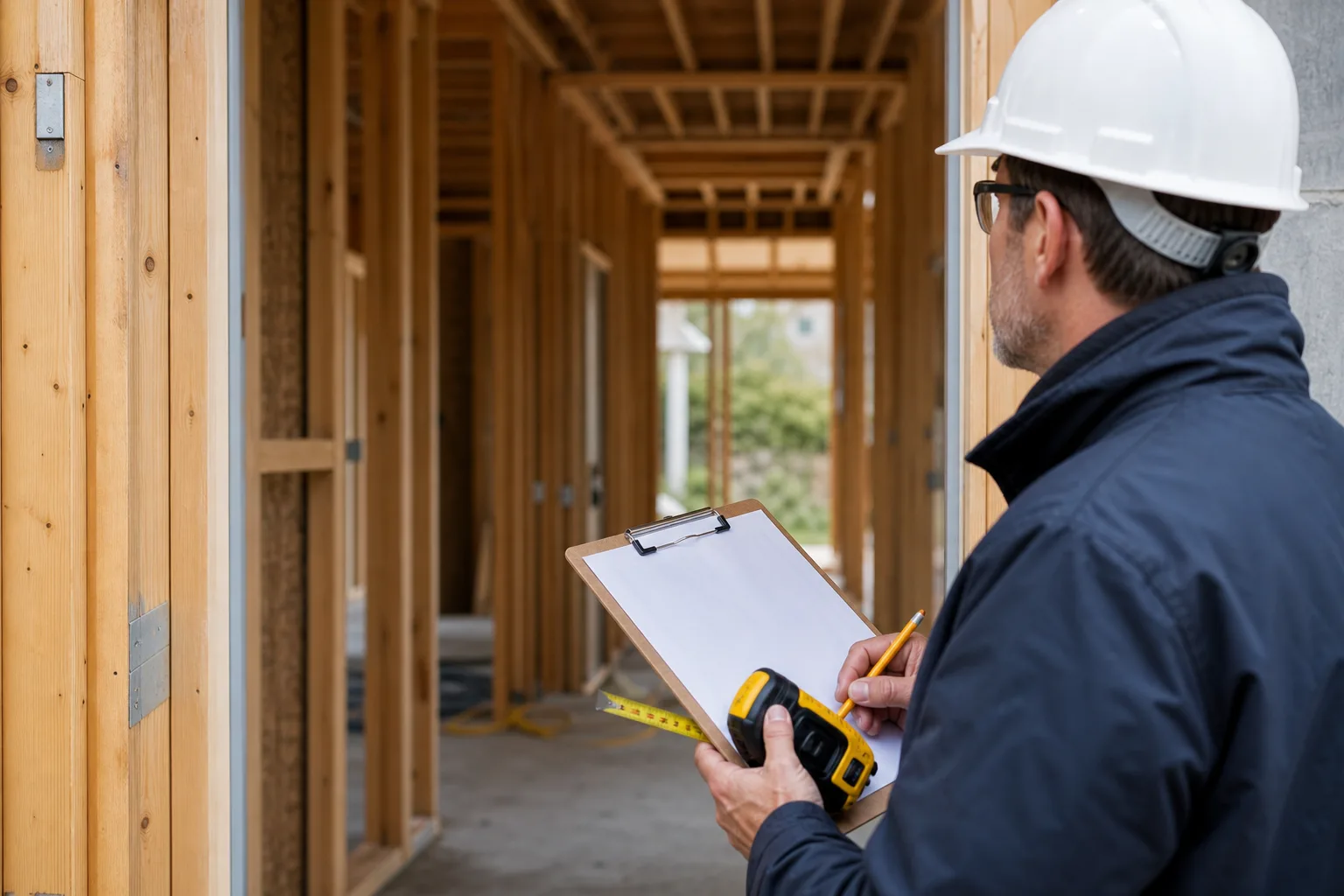
We don't guess at timelines. In the two to four weeks before construction, we:

  • Conduct a full site assessment (geology, access, utilities, constraints)
  • Coordinate with your architect on drawing completeness
  • Validate all structural engineering requirements
  • Research Los Angeles permitting timeline for your specific neighborhood
  • Source critical-path materials and lock in lead times
  • Build a detailed schedule with contingency built in

By the time construction starts, we know what's coming and why. Geological surveys and structural engineering are on the calendar because they take real time—structural engineering alone takes 6 weeks—not because they make a proposal look thorough.

Step 2: Permit Management In-House

We don't hand permits to a subcontractor. We:

  • Submit complete applications on the first pass
  • Respond to Planning's requests immediately
  • Coordinate with city inspectors proactively
  • Keep you informed of every milestone (and if timelines shift)

Most LA permits take 12–16 weeks. We know this. We plan for it. That range is why a 14-month quote that assumed two months of permitting was already late on day one.

Step 3: Supply Chain Management

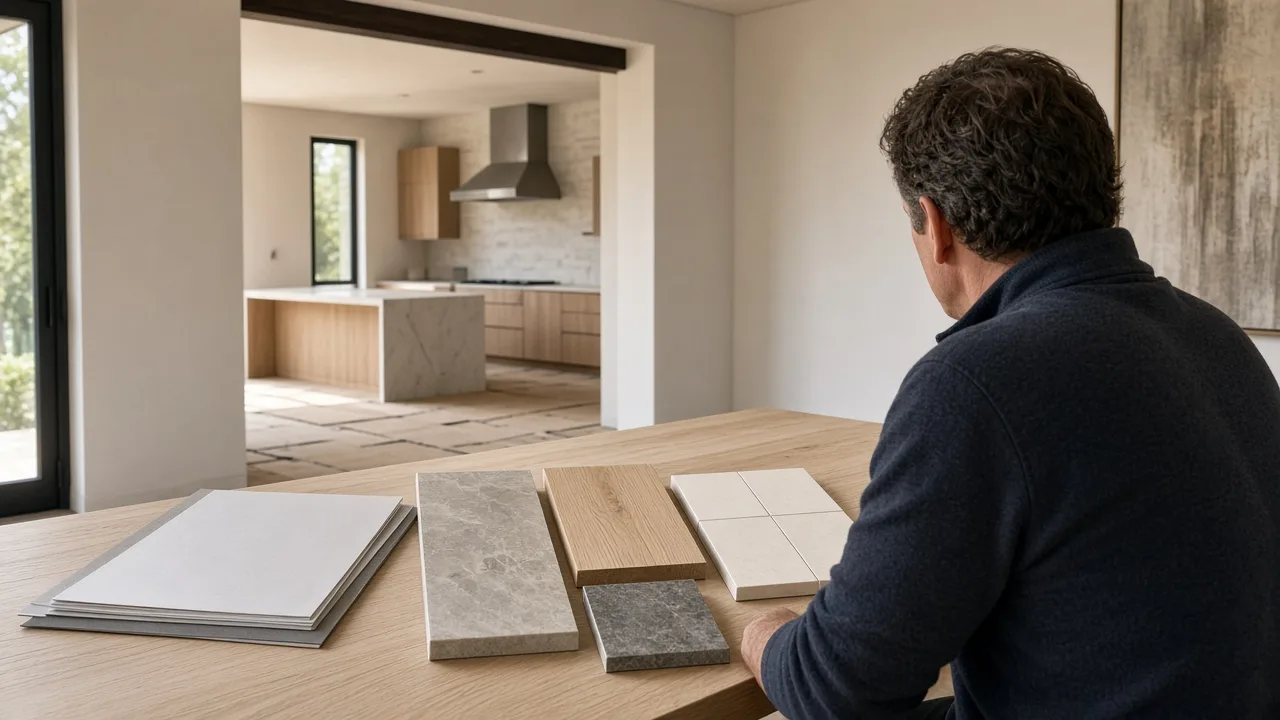
Critical materials are ordered during design, not during construction:

  • Structural steel: ordered 12 weeks early
  • Windows & doors: sourced during design phase
  • High-lead-time finishes: locked in before framing starts
  • Specialty materials: validated for lead time during pre-construction

If a material is delayed, we know about it 8 weeks in advance—not 1 week before we need it. Steel ordered 3 months before it is needed is the same idea as steel ordered 12 weeks early: the order date is pulled forward until supplier reality and the critical path agree.

Step 4: Design Freeze + Documented Changes

Design is locked before construction. Changes are:

  • Documented in writing
  • Evaluated for full impact (cost + timeline)
  • Approved by you in writing before proceeding

No surprise delays from mid-build changes. If a change is worth 47 downstream decisions and two weeks of rework, you should see that math before anyone swings a hammer at a wall that was already framed.

Step 5: One Accountable Team

Mark, Georges, David, and the crew own the schedule. If a trade is behind, we fix it—reschedule, bring in additional resources, adjust the critical path. The timeline doesn't slip because someone else failed. It's our responsibility.

The Financial Impact of Timeline Delays

A 6-month delay doesn't just cost time. It costs money.

Carrying costs keep running: construction financing, insurance, and property taxes continue whether the roof is closed or not. Contractor overhead continues: every month adds cost. Inflation continues: material costs rise 0.5–1% per month. Opportunity cost continues: you can't move into your home, make improvements, or list the property.

A 6-month delay on a $3M custom home costs approximately $80K–$150K in carrying costs alone. The other line items sit on top of that pain; they are not a reason to treat the delay as "just time."

Cost that keeps running What happens during a delay Why it adds up
Carrying costs Construction financing, insurance, and property taxes continue On a $3M custom home, a 6-month delay costs approximately $80K–$150K in carrying costs alone
Contractor overhead Every extra month adds cost Crews, supervision, and jobsite overhead do not pause because the calendar slipped
Inflation Material costs rise 0.5–1% per month A delay buys you the next month's prices, not the prices you bid
Opportunity cost You can't move into your home, make improvements, or list the property Time off the calendar is time you cannot occupy or recoup
Staying on schedule isn't just nice. It's financially critical.

The UBIC Approach: Proven Timelines

We've built 8+ years of custom homes in LA. We know how long permitting actually takes (not theoretical time), when material suppliers deliver (not hoped-for lead times), what structural engineering requires (not guesses), and how long trade coordination takes (not optimistic assumptions).

Our timelines are conservative because they're based on real data, not hope. That is the opposite of a 14-month number designed to win a handshake.

One Clear Promise

When we tell you a custom home will be completed in 16 months, we have analyzed your site, coordinated with your architect, validated the permitting timeline, locked the supply chain, scheduled trades, and built contingency in. That 16 months isn't a guess. It's a plan we've executed dozens of times.

Ready to Build With Confidence?

Custom homes in LA don't have to spiral into delays. Clear planning, realistic timelines, and one accountable team make all the difference.

FAQ

Processquestions.

About 70% of custom home projects exceed their timeline because the original schedule was never real. Aggressive 14-month quotes often ignore that permitting can take 4 months instead of 2, structural engineering can take 6 weeks, and material lead times can run 12 weeks instead of 8. Add unvalidated supply-chain dates, mid-build design changes, and no single owner of the calendar, and months disappear before anyone can explain why.

It depends on the lot, the drawings, and the materials—but the dates have to come from Los Angeles data, not a number that wins the bid. Most LA permits take 12–16 weeks. Structural engineering takes 6 weeks. Critical materials can run 12 weeks, and windows ordered in July can run 16 weeks instead of 8. When UBIC tells you a custom home will be completed in 16 months, that figure is a plan: site analysis, architect coordination, a validated permitting timeline, a locked supply chain, scheduled trades, and contingency.

Permitting delays are often communication delays. When the architect, design engineer, structural engineer, contractor, and a separate permitting specialist do not talk, drawings conflict, applications fail, City Planning requests revisions, and everything restarts. Months disappear while the lot looks idle. Managing LA permitting in-house—one team, one voice with the city—is how drawings get approved on the first submission, not the third.

Contractors often book windows, doors, steel, and finishes against a planned construction schedule instead of validated supplier dates. Windows may be an 8-week lead time in January and 16 weeks in July. Italian tile can be 12 weeks, not 6. Structural steel can sit on backorder. If those items are ordered during the build instead of during pre-construction, the job waits. Ordering steel 12 weeks early (3 months before it is needed) and locking windows during design is how you learn about a delay 8 weeks in advance instead of 1 week before you need the material.

A 6-month delay does not only cost time. Construction financing, insurance, and property taxes keep running. Contractor overhead continues every extra month. Material costs rise 0.5–1% per month. You also cannot move in, make improvements, or list the property. On a $3M custom home, a 6-month delay costs approximately $80K–$150K in carrying costs alone. Staying on schedule is financially critical.

You can, but you should see the full impact first. Moving a wall 2 feet affects framing, electrical, HVAC, plumbing, and structural integrity. That "small" move can cascade through 47 other decisions, create two weeks of rework, and force trades to reschedule and materials to be reordered. If that pattern happens 20 times, you are looking at 40 weeks of delays from "small changes." Freeze design before construction, document every change in writing, and approve it only after cost and timeline implications are clear.

UBIC builds conservative schedules from 8+ years of LA permitting data, manages permitting in-house, orders critical-path materials during pre-construction, freezes design before construction, and puts one team on the calendar. Mark Iskandar, Georges Khoury, David Linares, and the crew own every milestone. If a trade is behind, the team reschedules, adjusts the crew, or brings in additional resources instead of blaming someone else.

During design and pre-construction—not after framing starts. Structural steel should be ordered 12 weeks early (3 months before it is needed). Windows and doors should be sourced and locked in during the design phase. High-lead-time finishes should be locked in before framing starts. Specialty materials should have lead times validated during pre-construction so a delay shows up 8 weeks ahead of need, not 1 week before the crew is standing around.

Ready to buildyour custom home?

Schedule a free planning session, or call us to talk through your lot and vision.